Industries We Serve
Malibu runs doors in apartment communities, city firehouses, memory care facilities, K-12 school districts, HOA gates and everything from a single-door storefront to a multi-site operation. Here is what each of them actually uses it for.
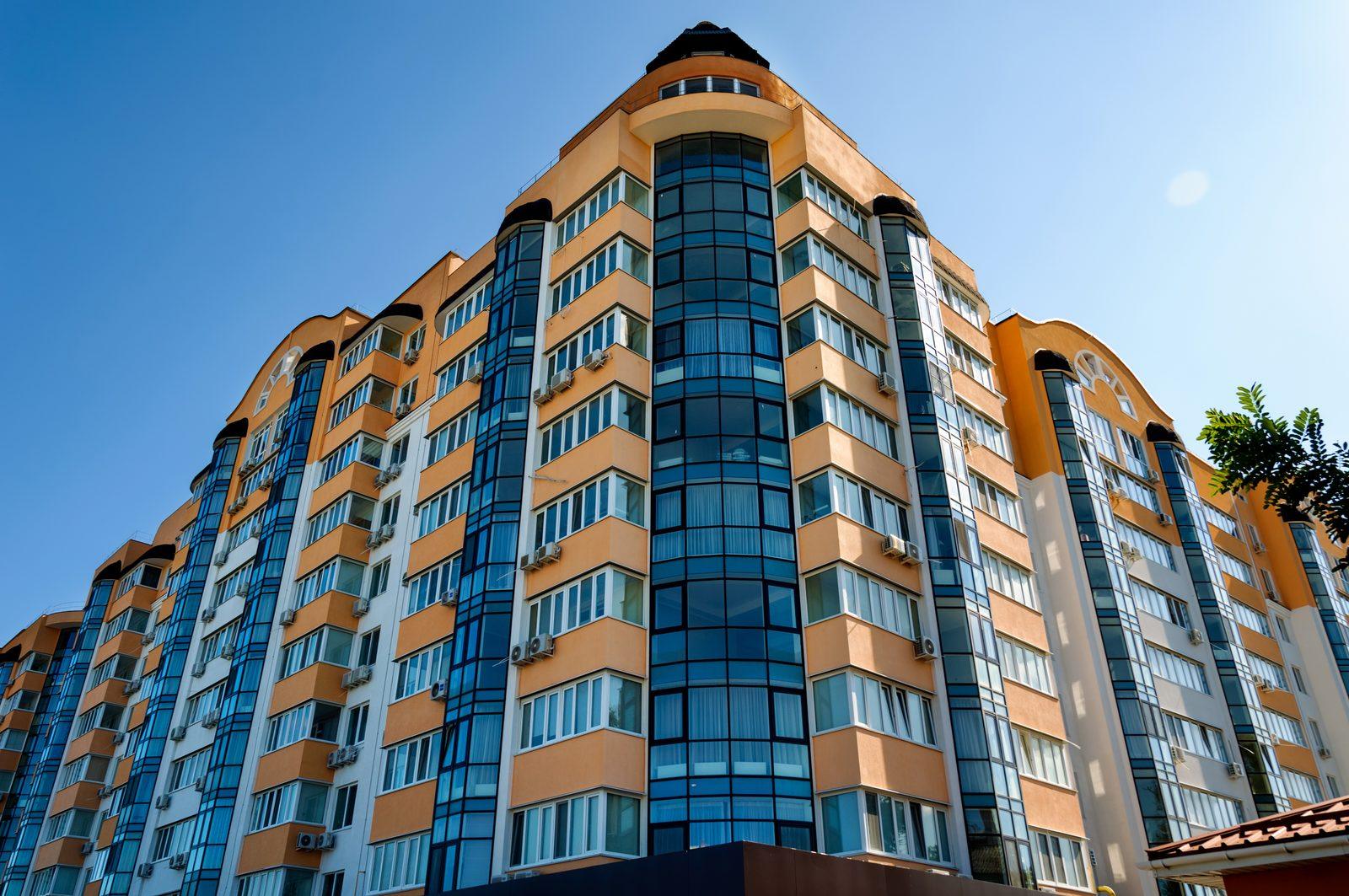
Multi-Family
Amenity, elevator and facility access for apartment and condo communities.
Malibu runs the shared doors in apartment and condo communities — amenities, facilities and common areas rather than the unit doors themselves, plus elevator floor control at up to 40 floors per controller. Resident turnover is what makes it pay for itself: a credential issued in software is revoked in software, so a unit changing hands doesn't mean chasing a fob or rekeying a door.
Malibu is a multi-family product, not a residential one — it isn't sold for ordinary single-family homes.
- Elevator floors
- Fitness rooms and gyms
- Pool gates and pool houses
- Clubhouses and community rooms
- Package and mail rooms
- Laundry rooms
- Parking garages and vehicle gates
- Bike and resident storage
- Trash and compactor enclosures
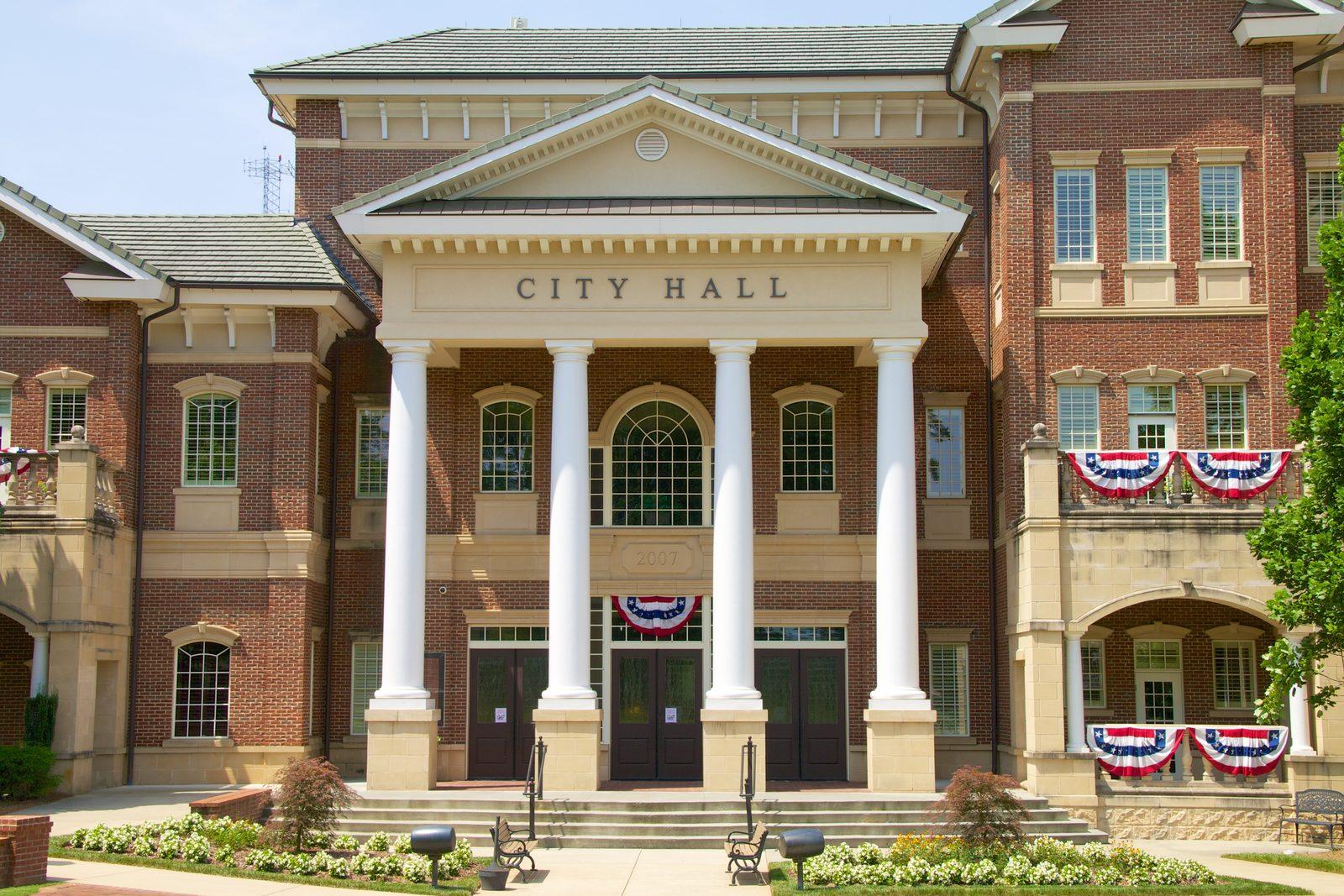
Government
Firehouses, courthouses, detention facilities and municipal parks on one system.
Municipal government is one of Malibu's strongest verticals, and the reason is range: a single city operates a fire station, a courthouse, a detention facility and park buildings with no staff on site at all, and runs every one of them from the same console.
The unmanned sites make the clearest case — doors on a seasonal schedule instead of someone driving a route at dawn and again at dusk.
- Fire stations and apparatus bays
- Courthouses — public and secured areas
- Elevators serving public and restricted floors
- Detention and holding facilities
- Park restrooms, gates and pavilions
- Public works and maintenance buildings
- Municipal offices and council chambers
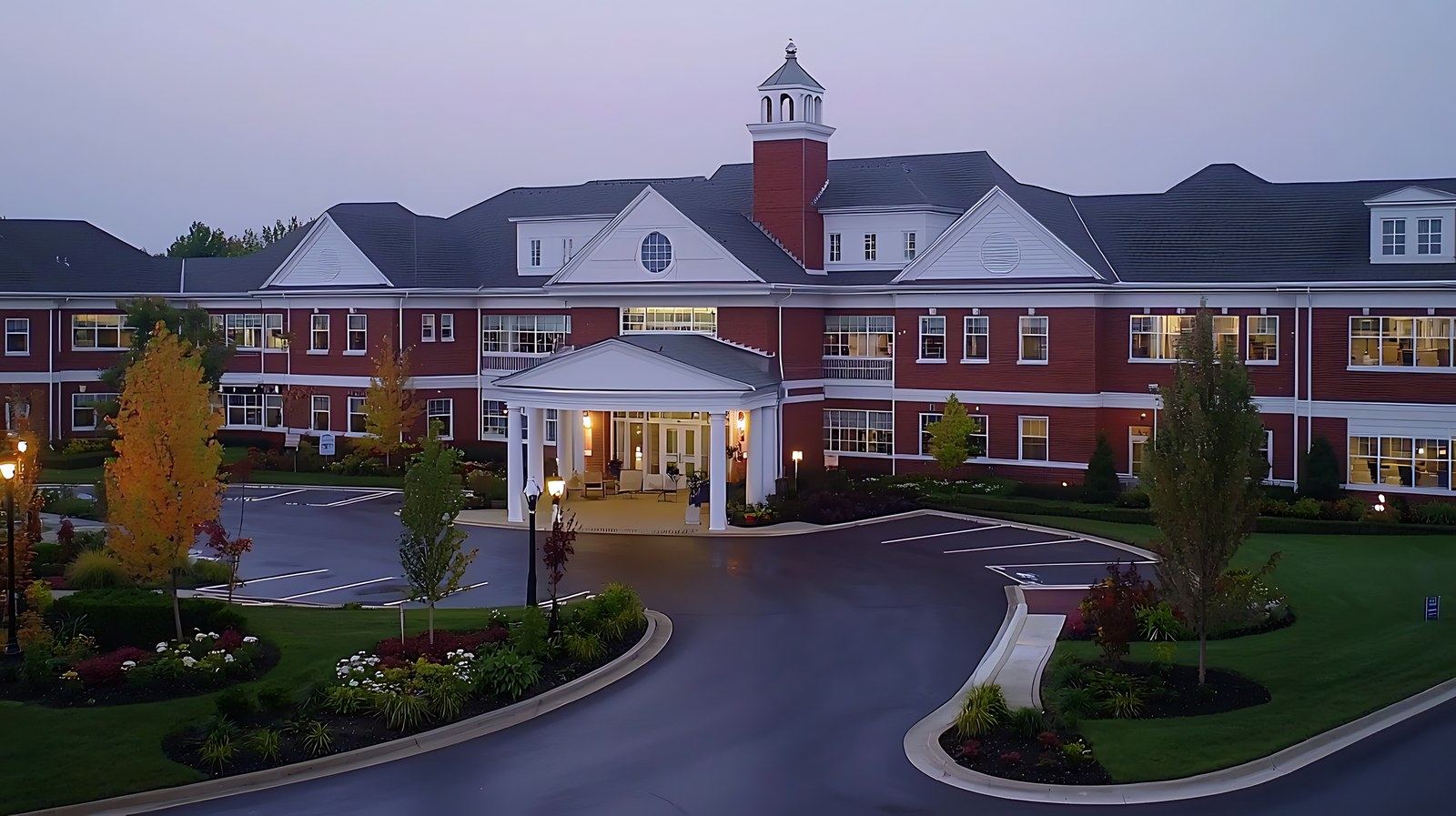
Healthcare
Adult day care, memory care and residential treatment — where a door event has to reach staff immediately.
Adult day care centers, adult memory care facilities and halfway houses run Malibu for its event notifications more than its access decisions — a door propped open, or an exit by someone not authorized to leave, reaches staff as a text message, an email or an audible alarm at the door.
Which doors should alert, and how, is the entire design conversation in these buildings.
- Perimeter and exit doors with unauthorized-exit alerts
- Door-propped-open notifications to staff phones
- Secured wings and resident areas
- Elevator floors serving secured areas
- Medication and supply rooms
- Staff-only areas and offices
- External audible alarms on critical doors
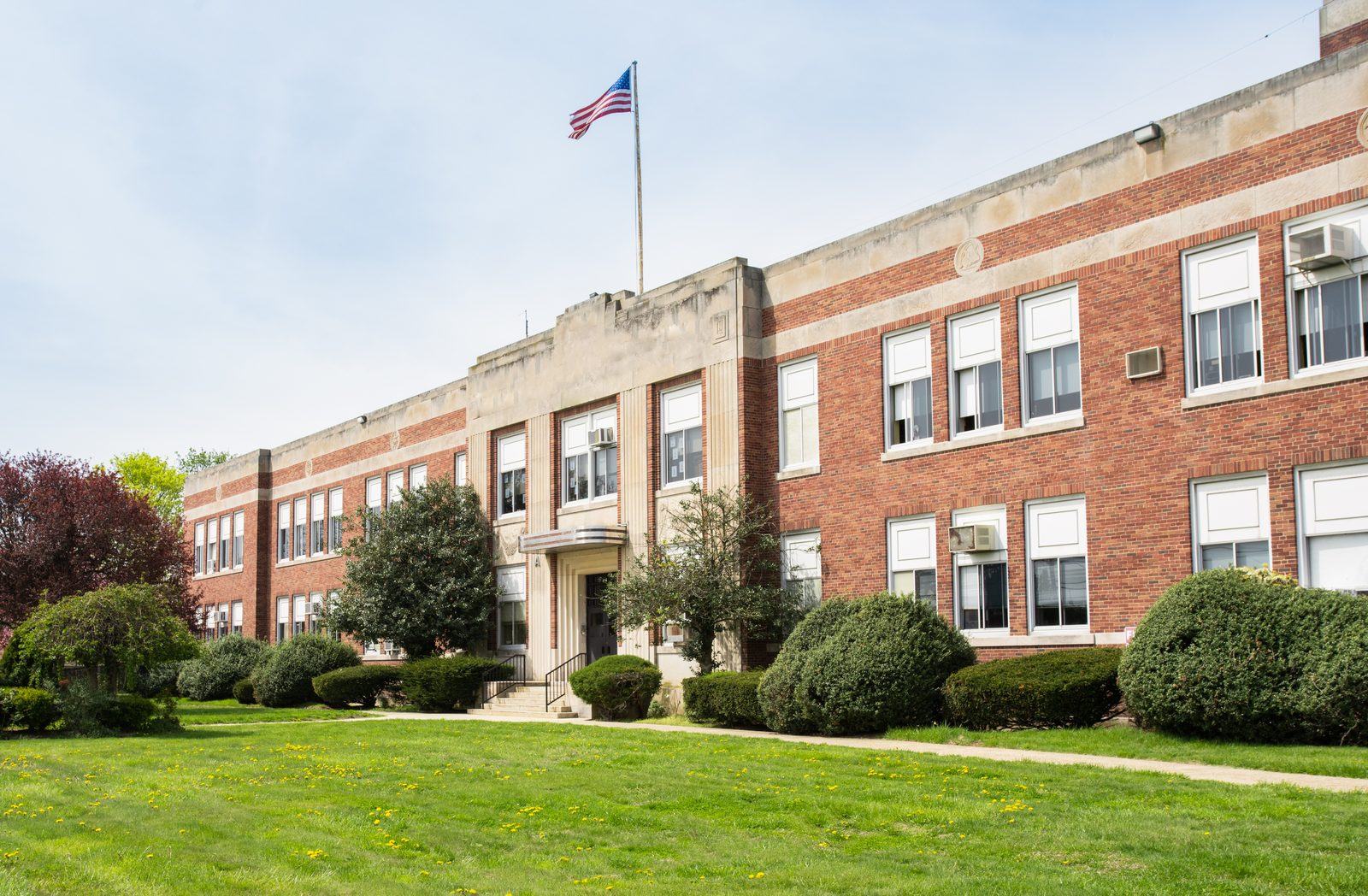
Education
K-12 districts standardizing every building — elementary through high school — on one system.
K-12 buildings administered as one system rather than one campus at a time: a single console covering elementary, middle and high schools, one credential per staff member across all of them, and exterior doors on the bell schedule instead of a nightly walk-around.
One county-wide district runs every school it operates this way.
- Main entrances and vestibules
- Exterior doors on a bell schedule
- Propped-door alerts on secured entrances
- Gyms and auditoriums for after-hours community use
- Administrative and records offices
- Server rooms, labs and equipment storage
- Multiple buildings under one administrator
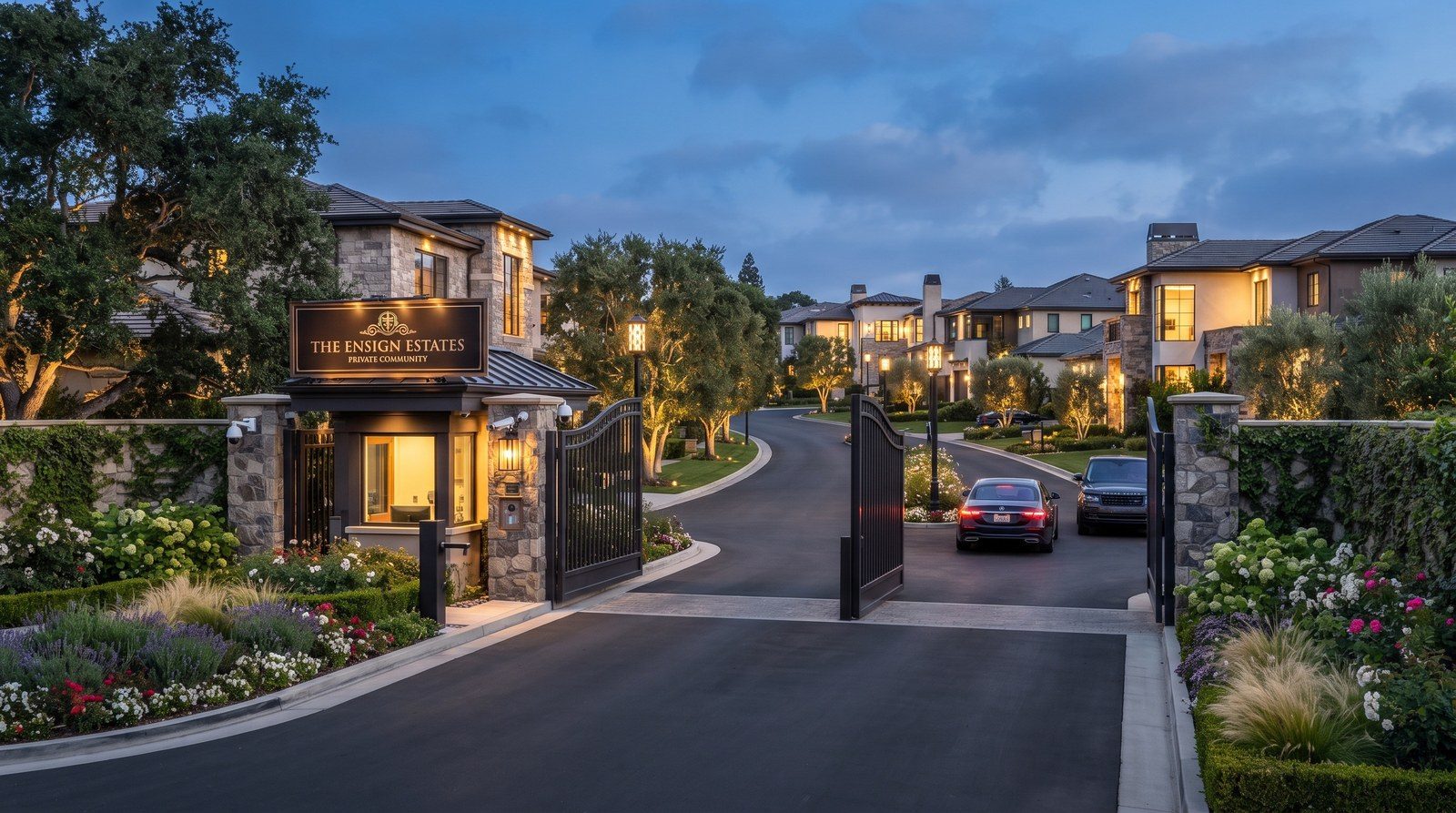
Gated Communities
Perimeter gate control plus pools, tennis courts and fitness centers.
Two jobs in one community: the gate at the entrance and the amenities behind it, on one system and one resident credential instead of a gate remote plus a pool key plus a fob for the fitness room.
The amenity rules are where it shows — pool hours enforced by the door rather than by a posted sign, changed by the board or property manager without a service call.
- Vehicle entry and exit gates
- Pedestrian and perimeter gates
- Swimming pools and pool houses
- Tennis and pickleball courts
- Fitness centers
- Clubhouses and event space
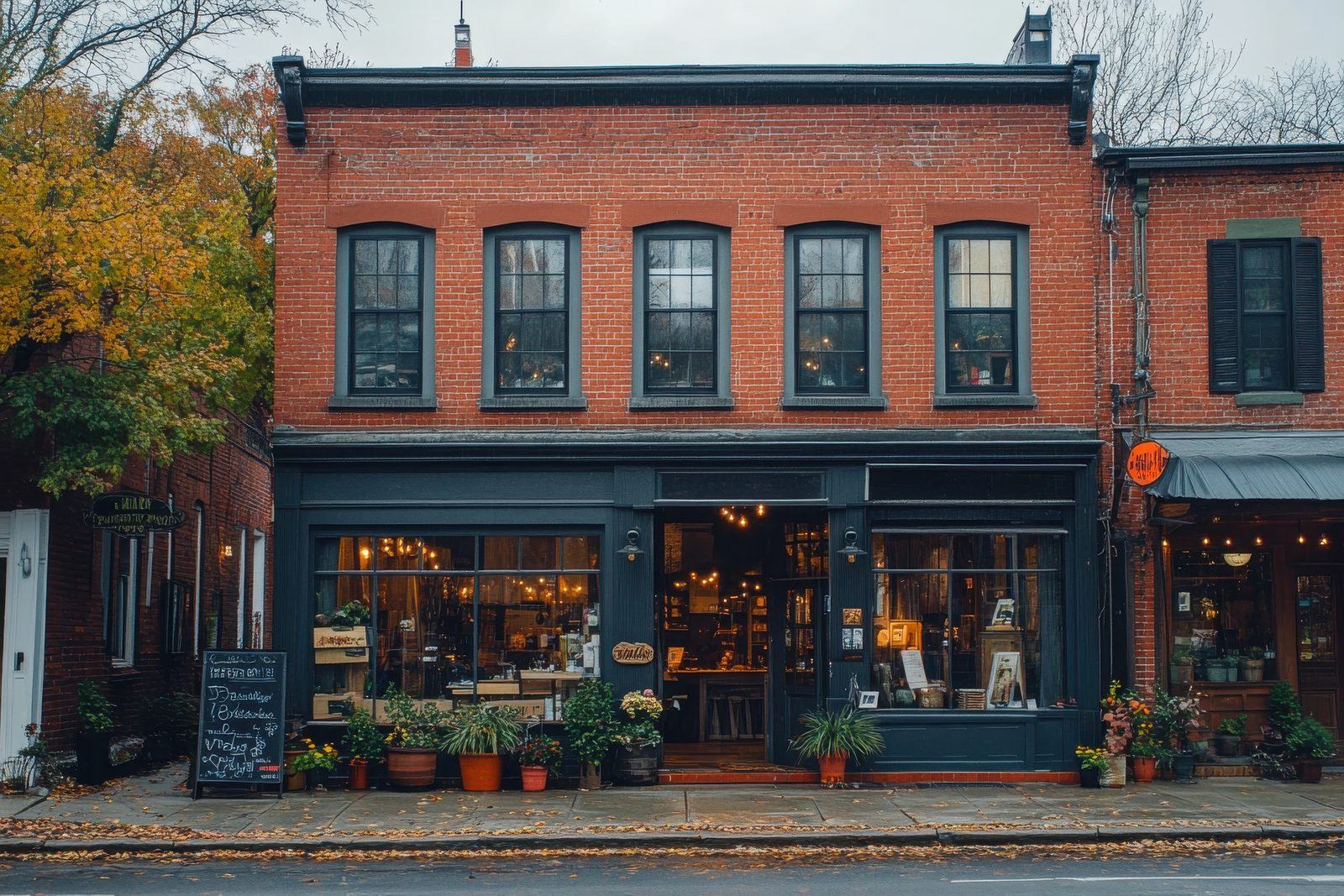
Business & Commercial
One door or many sites — storefronts, fitness centers, cannabis cultivation, multi-site operations.
The same platform at both ends of the range: a single-door storefront and a multi-site operation run the same product, so a business that grows adds to what it has instead of starting over.
Unattended access is the recurring reason businesses call — 24-hour fitness centers and laundromats admitting customers with no staff on site — along with cannabis cultivation, where restricted-area control and access records are what state regulators expect to see.
- Single-door storefronts and studios
- 24-hour fitness centers and laundromats
- Pet grooming and veterinary practices
- Cannabis cultivation — restricted areas and access records
- Warehouses, stockrooms and back-of-house
- Multi-site and multi-building operations
- Elevators in multi-tenant buildings
Don't see your facility type?
Malibu is installed in more places than fit on one page. Tell us what you're securing and we'll walk you through what it would take.