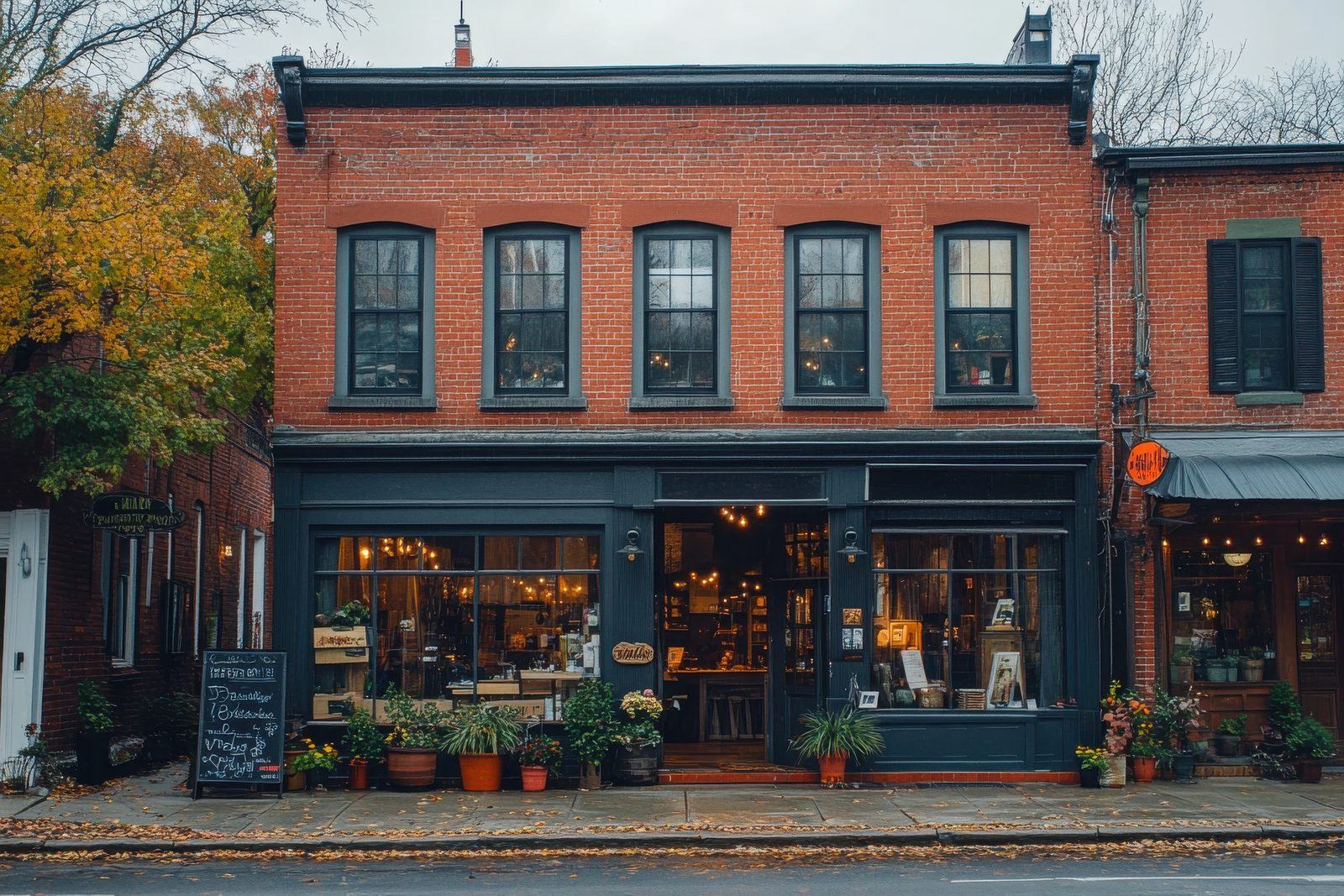
Access control for business — one door or a hundred, on the same platform
A storefront controlling a single door and a multi-site operation running dozens are the same product at Malibu. That matters most to the business that isn't sure yet which one it will be in five years.
The same system at both ends of the range
Malibu scales from one door to a multi-site operation without changing products, which is less common in this industry than it sounds. Plenty of systems are pitched at small business and quietly stop working when you reach a second building; plenty of enterprise platforms won't quote a single-door job at all.
In practice that means the pet grooming shop, the neighborhood fitness center and the laundromat controlling one entrance are running the same thing as the operator with dozens of doors across several buildings. Neither had to guess right at the start.
The business that benefits most from this is the one in between — the one that added a second location last year and is thinking about a third. Growth becomes an addition to a system rather than a migration off one.
Why businesses actually install it
Unattended access
A 24-hour fitness center or laundromat lets members and customers in on a credential when no staff are on site — with a record of who came through and when. The door is what makes the business hours possible.
One door to many sites
The same platform runs a single storefront and a multi-site operation. A business that grows adds doors and buildings to what it already has instead of starting over on a bigger product.
Turnover without rekeying
In businesses where staff change often, a departing employee's credential is revoked in software and stops working everywhere immediately. No locksmith, no collecting keys, no wondering which copies are out there.
Back-of-house separation
Stockrooms, offices, server closets, cash areas and equipment rooms sit behind different permissions than the space customers and general staff use, in the same building on the same system.
A record of every door event
Every entry is logged by credential and timestamp. When something goes missing, or an insurer or a regulator asks who had access to a room, the answer is a query rather than a recollection.
Restricted areas in cannabis
In cannabis cultivation, restricted-area access control and access records aren't a preference — state regulators expect to see them. Every door event is logged by credential and time.
Open when nobody's there
Unattended access is one of the clearest reasons a business calls. A 24-hour fitness center and a laundromat both sell hours nobody is paid to staff, and the only thing standing between the business and an open front door is the access control system.
Members get in on a credential during the hours you set. Access ends when a membership does, without a conversation. Every entry is recorded by credential and time, so if something happens at two in the morning there's a record of who was there rather than a guess.
Worth being straight about the limit: access control decides who gets through the door and records that they did. It does not supervise what happens inside. Businesses running unattended hours generally pair it with cameras and a monitoring arrangement, and a Dealer will tell you the same thing.
Multi-tenant buildings: the lobby is shared, the floors aren't
An office building with several tenants in it has one front door and a stack of unrelated businesses behind it. The lobby is common ground by design. Everything above it isn't, and a lease doesn't enforce itself.
Elevator floor control is what makes the building agree with the tenancy. A credential determines which floors the car will release, so the firm on six reaches six — not nine, which it happens to share an entrance with. Floors that are meant to be open to anyone who walks in, like a ground-floor retail level, can simply stay open.
It matters most at the hours this page is otherwise about. A cleaning crew or a service contractor working an empty building at 2am can be scoped to the floors their contract covers and the window it covers them for, rather than being handed a building. When a tenant's lease ends, their floor access ends with their credentials, in software, on the day it actually ends.
One controller carries 40 floors, which covers most buildings outright; a taller tower uses more than one rather than falling outside what the system does. Who administers what in a multi-tenant arrangement — the building, the tenant, or some split of the two — varies enough between properties that it's worth settling during scoping. So is whether it ties into the elevator equipment you already have: that answer depends on the make and age of the elevator controller, and it comes from your elevator service company and a Dealer together, before a quote rather than after.
The doors a business actually puts on it
- Single-door storefronts and studios
- 24-hour fitness centers and laundromats
- Pet grooming and veterinary practices
- Stockrooms, back-of-house and cash areas
- Warehouses, loading docks and dock doors
- Cannabis cultivation restricted areas
- Server rooms and IT closets
- Employee entrances and break areas
- Offices, records and HR file rooms
- Multi-site and multi-building operations
Malibu is sold and installed through certified Dealers, who scope the doors and the wiring with you. Find a Dealer near you, or read what a system actually costs over five years before you compare quotes.
Common questions
Not sure how many doors you actually need?
Most businesses need fewer controlled doors than they expect, and a different set than they first pick. A Dealer will walk the building with you before anything is quoted. Book a demo or find a Dealer near you.